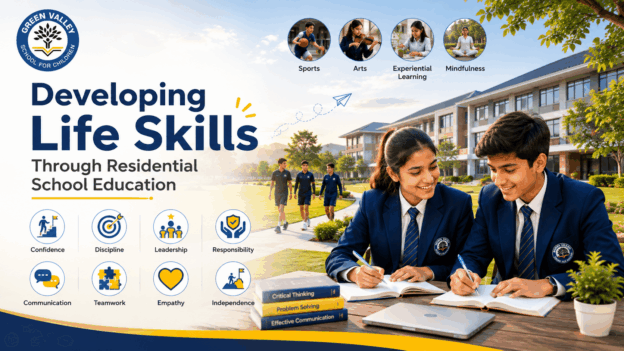
Education extends beyond academic achievement. One of its most important purposes is helping students develop life skills that prepare them for personal and professional success. Residential school education offers a unique environment where students learn valuable skills through daily experiences, structured routines, and community living. These institutions provide opportunities to build independence, responsibility, communication, and adaptability in ways that traditional classroom settings may not always offer. For families researching best cbse schools in Gandhinagar, understanding the role of residential education in life skill development can provide valuable insight into holistic student growth.
Understanding Life Skills in Education
Life skills are practical abilities that help individuals navigate challenges, interact effectively with others, and make informed decisions. They contribute to emotional well-being, personal development, and future success.
Important life skills include:
- Communication
- Time management
- Problem-solving
- Leadership
- Adaptability
- Decision-making
These skills are developed through real-world experiences and consistent practice. Residential schools create an environment where students encounter situations that encourage growth in these areas every day.
How Residential Learning Encourages Independence
A key advantage often associated with the best cbse school in Gandhinagar and similar educational models is the opportunity for students to become more independent. Living away from home requires them to take responsibility for daily activities while balancing academic and personal commitments.
Students learn to:
- Manage personal schedules
- Organize study time effectively
- Care for personal belongings
- Meet responsibilities independently
- Make thoughtful decisions
These experiences help them gain confidence and develop a sense of accountability that supports long-term success.
Building Communication and Interpersonal Skills
Residential schools bring together students from diverse backgrounds, creating opportunities for meaningful social interaction. Living within a community encourages students to communicate effectively and develop strong interpersonal relationships.
Through daily interactions, students learn to:
- Express ideas clearly
- Listen actively
- Resolve disagreements respectfully
- Collaborate with peers
- Build lasting relationships
These experiences strengthen communication skills that are valuable in educational, professional, and social settings.
Life Skills Developed Through Residential Education
|
Residential Experience |
Life Skill Developed |
|
Shared Living Spaces |
Cooperation |
|
Daily Routines |
Time Management |
|
Group Activities |
Teamwork |
|
Leadership Opportunities |
Decision-Making |
|
Academic Responsibilities |
Accountability |
The practical application of these skills helps students become more confident and capable individuals.
Leadership and Responsibility in Community Living
Many institutions recognized among the top 10 schools in Gandhinagar emphasize leadership development as part of their educational philosophy. Residential settings provide numerous opportunities for students to take initiative and contribute positively to their communities.
Students may develop leadership skills by:
- Participating in group projects
- Organizing activities
- Supporting younger peers
- Managing responsibilities effectively
- Demonstrating accountability
These experiences encourage self-confidence and help students understand the importance of responsibility in both personal and professional environments.
Community living also teaches respect, empathy, and consideration for others, which are essential qualities of effective leadership.
Preparing Students for Future Challenges
Life after school often requires individuals to adapt to changing circumstances, manage responsibilities independently, and work collaboratively with others. Residential education helps prepare students for these realities by exposing them to a structured yet dynamic environment.
Some long-term benefits include:
- Greater self-reliance
- Improved problem-solving abilities
- Stronger resilience
- Enhanced organizational skills
- Better adaptability
By learning to navigate challenges within a supportive environment, students develop confidence in their ability to handle future responsibilities.
These experiences contribute to personal growth and help students become well-rounded individuals who are prepared for higher education, professional careers, and everyday life.
Frequently Asked Questions
1. What are life skills in education?
Life skills are practical abilities such as communication, problem-solving, leadership, and time management that help individuals succeed in different aspects of life.
2. How do residential schools help develop life skills?
They provide structured routines, community living experiences, and opportunities for independent decision-making and responsibility.
3. Why is independence important for students?
Independence helps students build confidence, manage responsibilities effectively, and prepare for future educational and professional challenges.
4. Can residential education improve leadership skills?
Yes. Community living and participation in group activities often provide opportunities for students to practice leadership and teamwork.
5. How do communication skills develop in residential schools?
Students interact with peers, teachers, and staff regularly, allowing them to practice effective communication and interpersonal skills daily.
Conclusion
Residential school education offers valuable opportunities for students to develop life skills that extend far beyond academic achievement. Through structured routines, community living, leadership experiences, and independent responsibilities, students gain practical abilities that support long-term success. These experiences help them become confident, adaptable, and responsible individuals who are prepared to navigate future challenges. For families evaluating the best cbse school in Gandhinagar Gujarat, understanding the role of residential education in life skill development can be an important consideration. Educational institutions such as thegreenvalleyschool contribute to the broader goal of fostering well-rounded growth through meaningful learning and life experiences.