Author Archives: Green Valley School

Schools In Gandhinagar

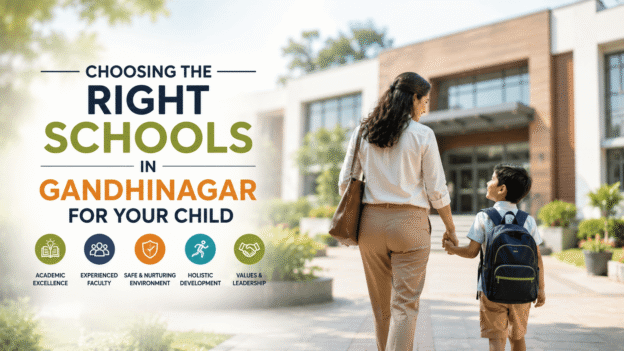
Choosing the Right Schools In Gandhinagar for Your Child

Selecting the right school is one of the most significant decisions in a child’s educational journey. A supportive learning environment not only strengthens academic knowledge but also nurtures confidence, creativity, leadership, and social skills. Parents today seek schools that offer a balanced approach, combining quality education with extracurricular opportunities and character development. Among the many Schools In Gandhinagar, the ideal institution is one that encourages curiosity, promotes critical thinking, and prepares students for lifelong success. A well-rounded educational experience helps children grow into responsible individuals who are ready to face future academic and personal challenges with confidence.

Why a Balanced Educational Approach Matters

Modern education extends beyond textbooks and examinations. Students benefit from an environment where academic learning is complemented by activities that develop practical and interpersonal skills.

Some essential elements of a balanced education include:

  • Interactive classroom learning
  • Sports and physical education
  • Arts and cultural activities
  • Leadership development
  • Technology-enabled learning
  • Value-based education

These experiences help students become confident communicators, effective problem-solvers, and responsible members of society while supporting their overall development.

Qualities of the Best Schools In Gandhinagar

Parents looking for the Best Schools In Gandhinagar often evaluate several factors before making a decision. Academic excellence is important, but the overall learning environment also plays a major role in a child’s success.

Feature

Benefit

Experienced educators

Encourages effective concept-based learning

Modern classrooms

Promotes interactive teaching methods

Science and computer laboratories

Enhances practical knowledge

Sports facilities

Supports physical fitness and teamwork

Well-equipped library

Encourages reading and independent learning

A school that combines these resources creates opportunities for students to develop academically while building confidence and essential life skills.

Building Skills Beyond Classroom Learning

Education is most effective when students have opportunities to explore their talents outside traditional academic subjects. Extracurricular activities help children discover new interests while strengthening important personal qualities.

Some valuable activities include:

  • Public speaking competitions
  • Music and performing arts
  • Sports tournaments
  • Science and innovation projects
  • Environmental awareness programs
  • Community service initiatives

Participation in these activities encourages creativity, leadership, teamwork, and effective communication while helping students develop a balanced personality.

Preparing Students for Future Opportunities

Many parents researching the Top 10 Schools In Gandhinagar seek institutions that prepare students for higher education and future careers. A future-focused learning environment develops analytical thinking, adaptability, and digital literacy alongside academic achievement.

Key components of future-ready education include:

  • Project-based learning
  • Technology integration
  • Collaborative classroom activities
  • Career awareness programs
  • Critical thinking exercises
  • Ethical and social responsibility

These experiences encourage students to approach challenges with confidence while developing the skills needed for higher education and professional success.

The Importance of Parent and School Collaboration

A strong partnership between parents and educators creates a positive environment that supports consistent student progress. Open communication helps address challenges early while celebrating achievements together.

Effective collaboration includes:

  • Regular parent-teacher interactions
  • Academic progress discussions
  • Participation in school events
  • Encouragement of healthy study habits
  • Emotional support for students
  • Recognition of individual accomplishments

When schools and families work together, students feel motivated, supported, and better prepared to achieve their educational goals.

Frequently Asked Questions

1. What factors should parents consider when selecting a school?

Parents should evaluate academic quality, teaching methods, infrastructure, extracurricular opportunities, student safety, and the overall learning environment.

2. Why are extracurricular activities important?

They help students develop creativity, confidence, leadership, teamwork, and communication skills alongside academic learning.

3. How do modern schools improve classroom learning?

Many schools use interactive teaching methods, digital resources, laboratories, and project-based learning to strengthen conceptual understanding.

4. Why is parent involvement important in education?

Regular communication between parents and teachers supports academic progress, emotional well-being, and consistent personal development.

5. How does a balanced education prepare students for the future?

It develops academic knowledge, practical skills, critical thinking, adaptability, and confidence, helping students succeed in higher education and future careers.

Conclusion

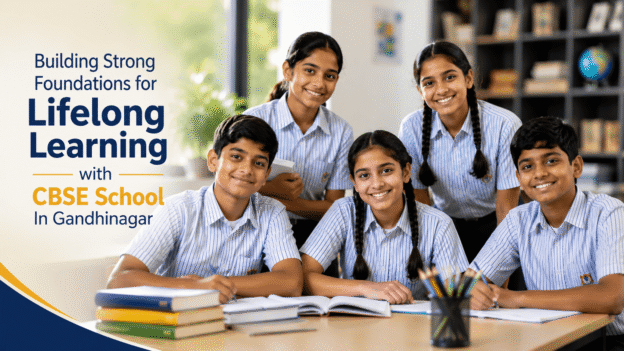
Choosing the right school is an investment in a child’s future, influencing both academic achievement and personal growth. A well-rounded educational environment encourages intellectual development while nurturing creativity, leadership, and strong values. Families searching for the Best CBSE Schools In Gandhinagar often look for institutions that provide a balance of quality education, modern infrastructure, and holistic development. Green Valley School recognizes the importance of creating a supportive learning environment where students are encouraged to grow into confident, responsible, and lifelong learners.

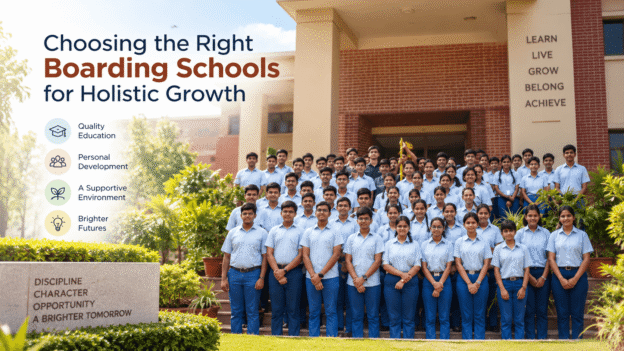
Boarding Schools In Ahmedabad

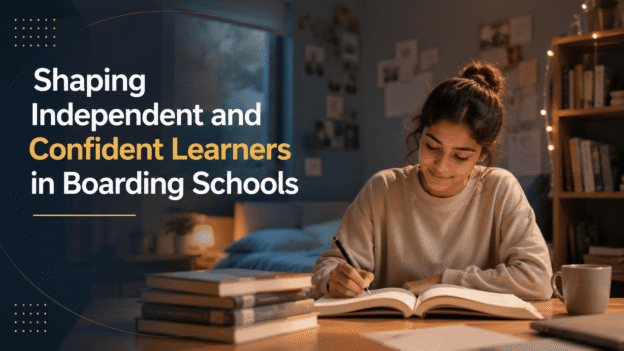
Shaping Independent and Confident Learners in Boarding Schools

Choosing the right educational environment is one of the most important decisions parents make for their children. A boarding school offers much more than academic instruction by creating opportunities for students to develop independence, responsibility, discipline, and interpersonal skills. Living and learning in a structured environment helps students build confidence while balancing academics, extracurricular activities, and personal growth. Many families consider Boarding Schools In Ahmedabad because they provide a supportive setting where students can focus on their education while developing valuable life skills. A balanced boarding experience prepares learners to adapt to future academic challenges and become responsible individuals.

How Boarding Education Supports Holistic Development

Boarding schools provide an environment where education extends beyond classroom learning. Students participate in structured routines that encourage self-management, teamwork, and leadership while promoting personal growth.

Some key benefits include:

  • Well-planned daily schedules
  • Academic guidance and study support
  • Sports and physical fitness activities
  • Creative arts and cultural programs
  • Leadership opportunities
  • Social interaction with diverse peer groups

These experiences help students develop confidence, improve communication skills, and learn to manage responsibilities independently.

What to Look for in Boarding Schools In Gujarat

When evaluating Boarding Schools In Gujarat, parents should consider factors beyond academic performance. The quality of residential facilities, student safety, faculty support, and extracurricular opportunities all contribute to a positive learning experience.

Feature Benefit
Qualified teaching staff Encourages effective academic learning
Safe residential facilities Promotes student well-being
Sports infrastructure Supports physical development
Modern classrooms Enhances interactive learning
Academic support programs Strengthens overall student performance

A school that balances academics with personal development creates an environment where students can thrive both inside and outside the classroom.

Life Skills Students Learn Through Boarding Education

One of the greatest advantages of boarding education is the development of practical life skills that remain valuable long after graduation. Daily routines encourage students to become more organized, responsible, and adaptable.

Important life skills include:

  • Time management
  • Personal responsibility
  • Decision-making
  • Teamwork and collaboration
  • Leadership development
  • Respect for diversity

Living with peers also helps students develop empathy, resilience, and effective communication while preparing them for future educational and professional environments.

Preparing Students for Future Success

Many Best Boarding Schools In Gujarat focus on preparing students for both higher education and life beyond school. They combine academic excellence with activities that encourage innovation, creativity, and independent thinking.

Future-ready education often includes:

  • Project-based learning
  • Digital literacy programs
  • Public speaking opportunities
  • Career guidance sessions
  • Environmental awareness initiatives
  • Community engagement activities

These experiences encourage students to think critically, solve problems confidently, and adapt to changing academic and professional expectations.

The Importance of a Supportive Boarding Environment

A successful boarding experience depends on creating a safe, nurturing, and encouraging atmosphere where students feel comfortable learning and growing. Emotional well-being is just as important as academic achievement.

A supportive environment includes:

  • Caring residential staff
  • Regular health and wellness support
  • Constructive teacher guidance
  • Opportunities for recreation
  • Strong communication with parents
  • Encouragement of positive values

When students feel secure and supported, they are better able to focus on their education while building meaningful relationships and lifelong confidence.

Frequently Asked Questions

1. What are the benefits of studying at a boarding school?

Boarding schools promote academic growth, independence, discipline, leadership, and social development through structured learning and residential experiences.

2. How do boarding schools support students academically?

Students receive classroom instruction, supervised study sessions, academic guidance, and access to educational resources that encourage consistent learning.

3. Are extracurricular activities important in boarding schools?

Yes. Sports, arts, cultural events, and leadership activities contribute to well-rounded personal development alongside academic education.

4. How do boarding schools help students become independent?

Daily routines encourage students to manage their time, organize responsibilities, make decisions, and develop self-confidence.

5. What should parents consider when selecting a boarding school?

Parents should evaluate academic quality, residential facilities, safety measures, faculty experience, extracurricular opportunities, and the overall learning environment.

Conclusion

Boarding education offers students a valuable opportunity to develop academically, socially, and personally within a structured and supportive environment. By combining quality education with life skills, extracurricular activities, and character development, boarding schools prepare learners for future success in higher education and beyond. Families exploring the Best Schools In Gandhinagar often seek institutions that nurture both academic excellence and personal growth. Green Valley School understands the importance of providing a balanced educational experience that helps students become confident, responsible, and capable individuals ready for lifelong learning.

best cbse schools in Gandhinagar

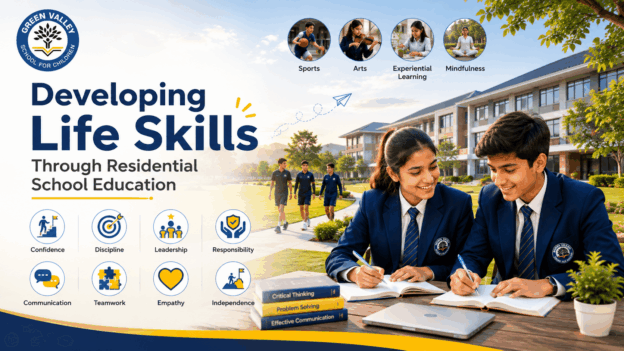
Developing Life Skills Through Residential School Education

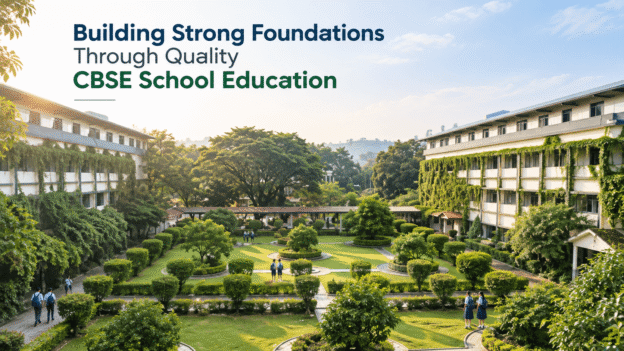
Education extends beyond academic achievement. One of its most important purposes is helping students develop life skills that prepare them for personal and professional success. Residential school education offers a unique environment where students learn valuable skills through daily experiences, structured routines, and community living. These institutions provide opportunities to build independence, responsibility, communication, and adaptability in ways that traditional classroom settings may not always offer. For families researching best cbse schools in Gandhinagar, understanding the role of residential education in life skill development can provide valuable insight into holistic student growth.

Understanding Life Skills in Education

Life skills are practical abilities that help individuals navigate challenges, interact effectively with others, and make informed decisions. They contribute to emotional well-being, personal development, and future success.

Important life skills include:

  • Communication
  • Time management
  • Problem-solving
  • Leadership
  • Adaptability
  • Decision-making

These skills are developed through real-world experiences and consistent practice. Residential schools create an environment where students encounter situations that encourage growth in these areas every day.

How Residential Learning Encourages Independence

A key advantage often associated with the best cbse school in Gandhinagar and similar educational models is the opportunity for students to become more independent. Living away from home requires them to take responsibility for daily activities while balancing academic and personal commitments.

Students learn to:

  • Manage personal schedules
  • Organize study time effectively
  • Care for personal belongings
  • Meet responsibilities independently
  • Make thoughtful decisions

These experiences help them gain confidence and develop a sense of accountability that supports long-term success.

Building Communication and Interpersonal Skills

Residential schools bring together students from diverse backgrounds, creating opportunities for meaningful social interaction. Living within a community encourages students to communicate effectively and develop strong interpersonal relationships.

Through daily interactions, students learn to:

  • Express ideas clearly
  • Listen actively
  • Resolve disagreements respectfully
  • Collaborate with peers
  • Build lasting relationships

These experiences strengthen communication skills that are valuable in educational, professional, and social settings.

Life Skills Developed Through Residential Education

Residential Experience

Life Skill Developed

Shared Living Spaces

Cooperation

Daily Routines

Time Management

Group Activities

Teamwork

Leadership Opportunities

Decision-Making

Academic Responsibilities

Accountability

The practical application of these skills helps students become more confident and capable individuals.

Leadership and Responsibility in Community Living

Many institutions recognized among the top 10 schools in Gandhinagar emphasize leadership development as part of their educational philosophy. Residential settings provide numerous opportunities for students to take initiative and contribute positively to their communities.

Students may develop leadership skills by:

  • Participating in group projects
  • Organizing activities
  • Supporting younger peers
  • Managing responsibilities effectively
  • Demonstrating accountability

These experiences encourage self-confidence and help students understand the importance of responsibility in both personal and professional environments.

Community living also teaches respect, empathy, and consideration for others, which are essential qualities of effective leadership.

Preparing Students for Future Challenges

Life after school often requires individuals to adapt to changing circumstances, manage responsibilities independently, and work collaboratively with others. Residential education helps prepare students for these realities by exposing them to a structured yet dynamic environment.

Some long-term benefits include:

  • Greater self-reliance
  • Improved problem-solving abilities
  • Stronger resilience
  • Enhanced organizational skills
  • Better adaptability

By learning to navigate challenges within a supportive environment, students develop confidence in their ability to handle future responsibilities.

These experiences contribute to personal growth and help students become well-rounded individuals who are prepared for higher education, professional careers, and everyday life.

Frequently Asked Questions

1. What are life skills in education?

Life skills are practical abilities such as communication, problem-solving, leadership, and time management that help individuals succeed in different aspects of life.

2. How do residential schools help develop life skills?

They provide structured routines, community living experiences, and opportunities for independent decision-making and responsibility.

3. Why is independence important for students?

Independence helps students build confidence, manage responsibilities effectively, and prepare for future educational and professional challenges.

4. Can residential education improve leadership skills?

Yes. Community living and participation in group activities often provide opportunities for students to practice leadership and teamwork.

5. How do communication skills develop in residential schools?

Students interact with peers, teachers, and staff regularly, allowing them to practice effective communication and interpersonal skills daily.

Conclusion

Residential school education offers valuable opportunities for students to develop life skills that extend far beyond academic achievement. Through structured routines, community living, leadership experiences, and independent responsibilities, students gain practical abilities that support long-term success. These experiences help them become confident, adaptable, and responsible individuals who are prepared to navigate future challenges. For families evaluating the best cbse school in Gandhinagar Gujarat, understanding the role of residential education in life skill development can be an important consideration. Educational institutions such as thegreenvalleyschool contribute to the broader goal of fostering well-rounded growth through meaningful learning and life experiences.

boarding schools in gujarat

The Role of Boarding Schools in Academic and Personal Growth

Education plays a vital role in shaping a student’s future, not only through academic learning but also through personal development. Boarding schools offer a unique environment where students live, learn, and grow within a structured community. These institutions provide opportunities to build independence, discipline, confidence, and social skills while maintaining a strong focus on academics. Through a balanced approach to education and personal development, boarding schools help prepare students for future challenges and responsibilities. For families exploring boarding schools in Gujarat, understanding the broader impact of residential education can help highlight its value beyond the classroom.

Understanding the Boarding School Environment

A boarding school combines academic instruction with residential living, creating a comprehensive learning experience. Students spend their time in an environment designed to support both educational achievement and character development.

Key features of boarding school education include:

  • Structured daily routines
  • Dedicated academic support
  • Supervised residential facilities
  • Opportunities for extracurricular involvement
  • Community-based learning experiences

These elements work together to create an environment that encourages responsibility, self-discipline, and personal growth.

Academic Benefits of Residential Learning

Many of the best boarding schools in Gujarat emphasize academic excellence through focused learning environments and consistent study habits. Residential settings often provide students with access to structured schedules that support educational achievement.

Academic advantages may include:

  • Regular study routines
  • Access to academic guidance
  • Reduced distractions
  • Collaborative learning opportunities
  • Strong focus on goal setting

Students benefit from an atmosphere where learning remains a central priority, helping them develop effective study habits and a commitment to academic success.

Personal Development Through Daily Experiences

Boarding schools offer numerous opportunities for personal development. Living away from home encourages students to become more independent and responsible for their daily activities.

Through residential life, students learn to:

  • Manage their time effectively
  • Organize personal responsibilities
  • Develop problem-solving abilities
  • Build self-confidence
  • Adapt to new situations

These experiences contribute to personal maturity and help students develop skills that are valuable throughout life.

Academic and Personal Growth in Boarding Schools

Area of Development

Key Benefit

Academic Learning

Improved study habits

Time Management

Better organization

Social Interaction

Enhanced communication

Community Living

Greater responsibility

Leadership Opportunities

Increased confidence

The combination of academic and personal experiences helps students become well-rounded individuals prepared for future challenges.

Building Leadership and Social Skills

Many students attending a cbse school in Gandhinagar or similar educational settings benefit from opportunities to develop leadership and interpersonal skills. Boarding schools create a community where students interact regularly with peers from diverse backgrounds.

These interactions encourage:

  • Effective communication
  • Teamwork and collaboration
  • Respect for different perspectives
  • Conflict resolution skills
  • Leadership development

Participating in group activities, student organizations, and shared responsibilities helps students gain confidence in working with others and taking initiative when needed.

Community living also encourages empathy and mutual respect, which are important qualities in both academic and professional environments.

Preparing Students for Long-Term Success

One of the greatest advantages of boarding school education is its ability to prepare students for future opportunities and responsibilities. The combination of structured academics, residential living, and personal development creates a strong foundation for lifelong success.

Long-term benefits often include:

  • Greater independence
  • Improved decision-making skills
  • Stronger resilience
  • Enhanced adaptability
  • Better leadership capabilities

These qualities help students transition successfully into higher education, professional careers, and adult life. By learning to balance responsibilities and overcome challenges, they develop the confidence needed to achieve their goals.

The experiences gained through residential education often leave a lasting impact, helping students become capable and responsible individuals.

Frequently Asked Questions

1. What makes boarding schools different from day schools?

Boarding schools combine academic education with residential living, providing students with opportunities for both educational and personal development.

2. How do boarding schools support academic growth?

They offer structured schedules, dedicated study time, academic guidance, and environments that encourage consistent learning habits.

3. Do boarding schools help students become more independent?

Yes. Students learn to manage daily responsibilities, make decisions, and develop self-discipline through residential living.

4. How are social skills developed in boarding schools?

Regular interaction with peers and participation in community activities help students strengthen communication, teamwork, and leadership abilities.

5. Can boarding school experiences benefit students later in life?

Yes. The skills developed through residential education often support success in higher education, careers, and personal relationships.

Conclusion

Boarding schools play an important role in supporting both academic achievement and personal growth. Through structured learning environments, community living, and opportunities for leadership and responsibility, students develop valuable skills that extend beyond the classroom. These experiences help build confidence, independence, resilience, and strong interpersonal abilities. For families evaluating the best cbse schools in Gandhinagar, understanding the broader benefits of boarding education can provide valuable perspective. Educational institutions such as thegreenvalleyschool contribute to the ongoing goal of helping students achieve balanced development while preparing for future success.

schools in Gandhinagar

Why Structured Residential Learning Builds Strong Discipline

Discipline is one of the most valuable qualities students can develop during their educational journey. It influences academic performance, personal responsibility, time management, and decision-making. Structured residential learning environments are particularly effective in fostering discipline because they combine education, daily routines, and personal development within a consistent framework. Through carefully planned schedules and guided supervision, students learn habits that can benefit them throughout life. For parents exploring educational options and comparing schools in Gandhinagar, understanding how residential learning contributes to discipline can provide valuable perspective.

Understanding Structured Residential Learning

Structured residential learning refers to an educational environment where students live and learn within a planned setting that emphasizes routine, responsibility, and balanced development. These institutions create opportunities for students to develop independence while remaining accountable to established guidelines.

Key features of structured residential learning include:

  • Consistent daily schedules
  • Dedicated study periods
  • Supervised extracurricular activities
  • Organized living arrangements
  • Clear behavioral expectations

By participating in these routines regularly, students develop habits that encourage self-discipline and personal growth.

How Routine Encourages Responsibility

Many of the best schools in Gandhinagar recognize the importance of routine in shaping responsible behavior. Residential learning environments often provide structured schedules that help students manage their time effectively.

Daily routines may include:

  • Morning preparation activities
  • Scheduled academic sessions
  • Physical fitness programs
  • Study and revision periods
  • Recreational and social activities

Following a consistent schedule teaches students to prioritize tasks, meet deadlines, and develop accountability for their actions. These experiences can strengthen organizational skills that support both academic and personal success.

Building Independence Through Daily Living

One of the most significant benefits of residential education is the opportunity for students to develop independence. Living away from home encourages them to take responsibility for daily activities while learning to make informed decisions.

Students often gain experience in:

  • Managing personal belongings
  • Maintaining organized living spaces
  • Balancing academic and recreational activities
  • Following institutional guidelines
  • Developing self-management skills

These responsibilities encourage maturity and help students understand the importance of discipline in achieving long-term goals.

How Residential Learning Supports Discipline

Residential Experience

Discipline Skill Developed

Fixed Daily Schedule

Time Management

Study Sessions

Academic Consistency

Shared Living Spaces

Responsibility

Group Activities

Cooperation

Personal Accountability

Self-Discipline

Through repeated practice, students gradually develop habits that become part of their daily behavior.

The Role of Community Living in Character Development

Institutions often ranked among the top 10 schools in Gandhinagar understand that discipline extends beyond academics. Community living plays an important role in teaching students how to interact respectfully with others and contribute positively to a shared environment.

Living and learning with peers helps students:

  • Respect rules and boundaries
  • Develop teamwork skills
  • Improve communication abilities
  • Learn conflict resolution
  • Practice empathy and cooperation

These experiences contribute to character development and encourage students to become responsible members of their communities.

Long-Term Benefits of a Disciplined Lifestyle

The discipline developed through structured residential learning can have lasting effects that extend well beyond school years. Students who learn to manage their responsibilities effectively often carry these habits into higher education and professional environments.

Some long-term benefits include:

  • Improved academic performance
  • Better time management
  • Greater self-confidence
  • Enhanced leadership potential
  • Stronger decision-making abilities

Discipline also supports resilience, enabling students to remain focused on goals despite challenges or distractions. These qualities are valuable in many aspects of life and contribute to personal and professional growth.

By encouraging responsibility, accountability, and consistency, residential learning environments help prepare students for future opportunities and responsibilities.

Frequently Asked Questions

1. What is structured residential learning?

It is an educational model where students live and study within a supervised environment that emphasizes routine, responsibility, and personal development.

2. How does residential learning promote discipline?

It encourages students to follow schedules, manage responsibilities, and develop consistent habits that support self-discipline.

3. Does residential education help students become independent?

Yes. Students learn to manage daily tasks, make decisions, and take responsibility for their actions while living in a structured environment.

4. What role does routine play in discipline?

Routine helps students develop time management skills, accountability, and consistency in their daily activities.

5. Can discipline gained in school benefit students later in life?

Yes. Discipline supports academic achievement, professional success, leadership skills, and effective decision-making throughout life.

Conclusion

Structured residential learning provides students with an environment that encourages responsibility, consistency, and personal growth. Through daily routines, community living, and guided supervision, students develop discipline that supports academic success and prepares them for future challenges. These experiences help cultivate independence, accountability, and strong character traits that remain valuable throughout life. For families evaluating the best cbse schools in Gandhinagar, understanding the role of residential learning in building discipline can be an important factor in the decision-making process. Educational institutions such as thegreenvalleyschool contribute to the broader goal of supporting holistic student development through structured learning experiences.

best schools in gandhinagar

The Importance of Boarding School Experience in Student Growth

Boarding school education offers a unique and immersive learning experience that goes beyond traditional classroom teaching. It provides students with a structured environment where academic learning, personal development, and life skills are nurtured together. Living on campus encourages discipline, independence, and responsibility from an early age. This holistic approach helps students build strong character and adaptability, which are essential for long-term success. As parents explore quality education options, the demand for institutions recognized among the best schools in Gandhinagar continues to grow due to their focus on comprehensive student development.

Academic and Personal Development in Boarding Life

Boarding schools are designed to create a balanced ecosystem where academic excellence and personal growth go hand in hand. Students follow a structured routine that helps them stay focused and disciplined.

Key benefits include:

  • Regular study schedules and academic consistency
  • Close teacher supervision and guidance
  • Peer learning and collaborative study environment
  • Continuous academic monitoring and feedback
  • Integration of co-curricular activities with studies

Development Area

Day School Experience

Boarding School Experience

Academic Focus

Limited study hours

Structured study routine

Discipline Level

Self-managed

Environment-guided discipline

Social Interaction

Restricted to school hours

Continuous peer engagement

Skill Development

Partial exposure

Holistic growth

This structured system helps students develop discipline and academic responsibility while improving overall learning outcomes.

Role of Discipline and Routine in Student Growth

Discipline and routine are key pillars of boarding school education. Students learn to manage their time effectively while balancing academics, sports, and personal activities.

Important aspects include:

  • Fixed daily schedules for study and recreation
  • Development of self-discipline through consistent routines
  • Time management skills for academic tasks
  • Responsibility for personal and academic progress
  • Reduced dependence on external guidance

These habits shape students into organized and focused individuals who can handle responsibilities efficiently in the future.

Social and Emotional Development in Boarding Schools

Boarding schools provide a socially rich environment where students interact with peers from diverse backgrounds. This helps in developing emotional intelligence and strong interpersonal skills.

Key outcomes include:

  • Improved communication and collaboration skills
  • Development of empathy and mutual respect
  • Ability to adapt to different social situations
  • Stronger emotional resilience and independence
  • Enhanced leadership qualities through group activities

Such exposure plays a crucial role in shaping confident and socially aware individuals.

Importance of Boarding Experience in Modern Education

Modern education systems emphasize holistic development, and boarding schools are well-suited for this approach. Many institutions listed among the top 10 schools in Gandhinagar focus on combining academics with life skills training.

Key features include:

  • Structured academic curriculum with regular assessments
  • Integration of sports, arts, and cultural activities
  • Leadership training and personality development programs
  • Focus on problem-solving and critical thinking skills
  • Use of modern teaching tools and methods

These features ensure that students receive a balanced education that prepares them for academic and professional success.

Building Life Skills Through Residential Learning

Boarding school experience is not limited to academics; it plays a vital role in building essential life skills that students carry into adulthood.

Important life skills include:

  • Decision-making and independent thinking
  • Self-management and organizational abilities
  • Conflict resolution and teamwork skills
  • Adaptability to new environments
  • Confidence in handling responsibilities

These skills help students transition smoothly into higher education and real-world challenges with confidence.

    FAQs

  1. What is the main benefit of boarding school education?

    It provides a structured environment that supports academic, emotional, and social development.

  2. How does boarding school improve discipline?

    Students follow strict routines that encourage time management and self-control.

  3. Are boarding schools good for academic performance?

    Yes, they offer continuous guidance and structured study schedules that improve performance.

  4. What social skills do students gain in boarding schools?

    They develop communication, teamwork, leadership, and emotional intelligence.

  5. Is boarding school suitable for all students?

    It depends on the child’s adaptability and readiness for independent living.

 Conclusion

Boarding school education plays a transformative role in shaping responsible, confident, and well-rounded individuals. It provides a unique combination of academic structure and life skill development that prepares students for future challenges. In this context, the importance of quality schools in Gandhinagar becomes even more significant for parents seeking holistic education. Green Valley School contributes to this educational vision by supporting structured learning environments that encourage overall student growth and development.

best cbse school in Gandhinagar

How Residential Education Shapes Independent Learning Skills

Residential education plays a transformative role in shaping independent, confident, and self-disciplined learners. By providing a structured environment where students live and study within the same ecosystem, it encourages responsibility, time management, and self-reliance from an early age. This learning model goes beyond academics and focuses on holistic development, preparing students for real-world challenges. As parents increasingly seek well-rounded educational environments, the demand for institutions recognized as the best cbse school in Gandhinagar continues to grow due to their emphasis on discipline and independence.

Understanding Residential Education and Its Impact

Residential education integrates academics with daily living, allowing students to develop essential life skills alongside their studies. This immersive environment helps children adapt to structured routines and build strong personal discipline.

Key features of residential learning include:

  • Structured daily schedules for study and activities
  • Supervised academic and personal development support
  • Opportunities for peer learning and collaboration
  • Balanced focus on academics and extracurricular activities
  • Development of independence through guided responsibility

This approach ensures that students gradually learn to manage their time, behavior, and responsibilities effectively.

Academic Structure in Residential Learning Systems

A strong academic framework is central to residential education. Schools ensure that students receive consistent academic support along with personalized attention to their learning needs.

In many institutions recognized as the best cbse school in Gandhinagar Gujarat, academic systems are designed to support:

  • Continuous learning through structured lesson plans
  • Regular assessments and feedback sessions
  • Concept-based teaching methodologies
  • Integration of digital learning tools
  • Focus on both theoretical and practical understanding

Learning Aspect

Traditional Schooling

Residential Education

Study Environment

Home-based study

On-campus structured study

Discipline Level

Self-managed

Guided discipline system

Peer Interaction

Limited

Continuous engagement

Skill Development

Partial focus

Holistic development

This structured academic environment helps students develop strong foundations while becoming more self-sufficient learners.

Role of Independence in Student Development

One of the most important outcomes of residential education is the development of independence. Students learn to take responsibility for their actions, manage their time, and make informed decisions.

Key areas of independent growth include:

  • Personal time management and discipline
  • Responsibility for academic tasks and deadlines
  • Decision-making in daily routines
  • Self-confidence in handling challenges
  • Adaptability to new environments

These skills are essential for long-term academic success and personal development, preparing students for higher education and professional life.

How Residential Schools Encourage Holistic Growth

Holistic development is a core focus of residential education, ensuring that students grow intellectually, emotionally, and socially. Many best cbse schools in Gandhinagar emphasize this balanced approach to education.

Key development areas include:

  • Participation in sports and physical activities
  • Engagement in arts, music, and cultural programs
  • Development of communication and leadership skills
  • Exposure to teamwork and group projects
  • Emotional intelligence and resilience building

Residential schools create an environment where learning extends beyond classrooms, helping students discover their strengths and interests.

Building Life Skills Through Structured Living

Living in a structured residential environment helps students develop essential life skills that are not always taught in traditional classrooms. These skills play a crucial role in shaping their personality and future readiness.

Important life skills include:

  • Effective communication and social interaction
  • Problem-solving and critical thinking abilities
  • Self-management and organizational skills
  • Emotional regulation and stress handling
  • Collaboration and teamwork capabilities

Such skills ensure that students are not only academically strong but also well-prepared for real-world situations.

FAQs

  1. What is residential education?

    It is a system where students live on campus and follow a structured academic and lifestyle routine.

  2. How does residential education promote independence?

    It encourages students to manage their time, responsibilities, and decisions independently under guidance.

  3. What are the benefits of CBSE curriculum in residential schools?

    It provides structured learning, conceptual clarity, and balanced academic development.

  4. Is residential schooling suitable for all students?

    It depends on the child’s adaptability, personality, and learning needs.

  5. How does residential education support overall development?

    It combines academics, sports, and life skills training for holistic growth.

Conclusion

Residential education plays a vital role in shaping disciplined, confident, and independent learners who are ready for future challenges. By combining structured academics with life skills development, it creates a balanced environment for holistic growth. In this context, the importance of a strong CBSE school in Gandhinagar becomes even more evident for parents seeking comprehensive education solutions. Green Valley School contributes to this vision by fostering independent learning and supporting students in building a strong foundation for lifelong success.

best boarding schools in Gujarat

Nurturing Independence and Excellence Through Residential Education

Choosing the right educational environment is a critical decision for parents who want both academic excellence and personal growth for their children. Residential education has gained popularity for its ability to provide structured learning along with life skills. Families exploring the best boarding schools in Gujarat often seek institutions that combine strong academics with a supportive and disciplined environment. Such schools help students grow into confident, independent individuals while maintaining a focus on values and character development.

The Rise of Residential Education in Gujarat

Over the years, Gujarat has emerged as a hub for quality education, especially in the residential segment. Many parents now prefer institutions that provide a balanced mix of academics, extracurricular activities, and personal development.

Institutions recognized among the Top Boarding Schools in Gujarat typically focus on:

  • Academic excellence through structured curricula
  • Character building and discipline
  • Safe and secure residential facilities
  • Exposure to diverse activities beyond the classroom
  • Development of leadership and social skills

These features make them an attractive choice for families looking for a comprehensive educational experience.

Key Features That Define a Strong Residential School

A well-established residential institution offers more than just accommodation and academics. It creates an environment where students can thrive both intellectually and personally.

Important features to consider include:

  • Qualified and experienced faculty
  • Well-planned daily routines
  • Balanced academic and extracurricular schedules
  • Emphasis on physical and mental wellbeing
  • Continuous monitoring and mentoring of students

These elements ensure that students receive consistent guidance and support throughout their academic journey.

Infrastructure and Facilities That Support Growth

Infrastructure plays a crucial role in shaping the residential experience. A well-equipped campus ensures that students have access to everything they need for learning, recreation, and personal development.

Facility Benefit for Students
Academic Blocks Focused and structured learning environment
Residential Dormitories Safe and comfortable living spaces
Dining Facilities Nutritious and balanced meals
Sports Complex Physical fitness and teamwork
Activity Rooms Creative and cultural development

Such facilities help create a balanced routine that supports both academic progress and personal wellbeing.

How a Residential Setup Builds Life Skills

A Boarding school environment offers unique advantages that go beyond traditional day schooling. Living on campus teaches students essential life skills that prepare them for future challenges.

Some of the key benefits include:

  • Development of independence and responsibility
  • Improved time management and discipline
  • Strong interpersonal and communication skills
  • Exposure to diverse perspectives and cultures
  • Enhanced focus on academics without distractions

Students learn to manage their daily routines, collaborate with peers, and adapt to structured environments, which contributes significantly to their overall growth.

Academic Excellence with Holistic Development

One of the biggest advantages of residential education is the seamless integration of academics with extracurricular activities. Schools ensure that students receive equal opportunities to excel in both areas.

Holistic development includes:

  • Sports and physical education programs
  • Arts, music, and cultural activities
  • Leadership and personality development sessions
  • Academic mentoring and support systems

This balanced approach helps students discover their strengths and build confidence, making them well-prepared for future academic and professional challenges.

Frequently Asked Questions

  1. What are the benefits of choosing a residential school?
    Residential schools provide structured learning, discipline, and opportunities for holistic development in a secure environment.
  2. How do residential schools ensure student safety?
    They maintain strict supervision, secure campuses, and trained staff to ensure the safety and wellbeing of students.
  3. Are extracurricular activities given importance in such schools?
    Yes, they play a significant role in developing creativity, teamwork, and leadership skills.
  4. How do students adapt to residential school life?
    With proper guidance, mentoring, and a supportive environment, students gradually adjust and become more independent.
  5. Do residential schools focus only on academics?
    No, they emphasize a balanced approach that includes academics, sports, arts, and life skills development.

Conclusion

Residential education continues to gain importance as families look for structured and holistic learning environments. Institutions offering such experiences focus on nurturing independence, discipline, and academic excellence. Among the many boarding schools in Gujarat, Green Valley School stands out as a place where students are guided to grow into confident, capable individuals while receiving a well-rounded education.

cbse school in gandhinagar

How to Choose the Right CBSE School in Gandhinagar for Your Child

Selecting the right school is a crucial step in shaping a child’s academic journey and personal development. Parents today are more aware and selective, looking for institutions that go beyond academics to provide a well-rounded experience. While exploring a CBSE school in Gandhinagar, families often focus on factors like teaching quality, infrastructure, and overall student development.

A good school creates an environment where children feel encouraged to learn, ask questions, and grow confidently. With evolving education standards, it becomes important to choose an institution that aligns with modern learning needs.

Key Factors to Consider While Selecting a CBSE School

Every parent wants the best for their child, but identifying the right school requires careful evaluation. Certain elements play a major role in determining the quality of education provided.

Important factors include:

  • Qualified and experienced teaching staff
  • A structured and updated CBSE curriculum
  • Safe and student-friendly environment
  • Availability of extracurricular activities
  • Focus on both academic and personal growth

Schools that consistently deliver on these aspects are often recognized among the best CBSE schools in Gandhinagar, as they provide a strong foundation for students.

Infrastructure That Supports Modern Learning

A well-designed campus enhances the learning experience by offering students opportunities to explore and engage beyond textbooks. Modern infrastructure plays a vital role in making education interactive and effective.

Here is how different facilities contribute to student growth:

Facility Benefit for Students
Smart Classrooms Interactive and engaging learning
Science Labs Practical understanding of concepts
Computer Labs Development of technical skills
Libraries Encouraging reading and research
Sports Facilities Physical fitness and teamwork

Such facilities help students gain practical knowledge and develop essential skills required for future success.

Holistic Development Beyond Academics

Education is not limited to academic achievement. Schools today focus on developing well-rounded individuals who are confident and capable of handling real-life challenges.

Holistic development includes:

  • Sports and physical activities
  • Arts, music, and cultural programs
  • Leadership and teamwork opportunities
  • Communication and personality development

Many institutions that stand out as a best CBSE school in Gandhinagar emphasize these aspects to ensure balanced growth for students. These activities help children discover their talents and build confidence.

The Role of Teachers in Student Development

Teachers play a significant role in shaping a student’s learning experience. Their teaching methods and approach can greatly influence a child’s interest in studies.

Effective educators focus on:

  • Encouraging curiosity and independent thinking
  • Providing personalized attention
  • Using innovative and interactive teaching methods
  • Creating a supportive classroom environment

When students feel guided and motivated, they perform better academically and develop a lifelong love for learning.

Preparing Students for Future Challenges

In today’s fast-changing world, education must prepare students for more than just exams. Schools need to equip children with skills that help them succeed in higher education and future careers.

Essential skills developed include:

  • Critical thinking and problem solving
  • Communication and collaboration
  • Time management and discipline
  • Digital literacy and adaptability

By focusing on these areas, schools ensure that students are ready to face real-world challenges with confidence.

Benefits of Choosing the Right CBSE School

Selecting the right institution offers long-term advantages that impact both academic and personal growth.

Some key benefits include:

  • Strong academic foundation
  • Improved confidence and self-esteem
  • Better communication and social skills
  • Exposure to diverse opportunities
  • Preparation for higher education

A well-chosen school creates a positive and enriching environment where students can thrive.

Frequently Asked Questions

  1. What should parents look for in a CBSE school?
    Parents should consider teaching quality, infrastructure, extracurricular activities, and the overall environment of the school.
  2. Why is the CBSE curriculum preferred by many parents?
    It offers a structured and nationally recognized curriculum that focuses on conceptual learning and skill development.
  3. How important are extracurricular activities in CBSE schools?
    They are essential as they help in developing creativity, teamwork, and confidence among students.
  4. How do schools support student wellbeing?
    Through safe campuses, mentoring systems, and activities that promote emotional and social development.
  5. How can a school prepare students for future success?
    By focusing on life skills, critical thinking, and practical learning along with academic knowledge.

Conclusion

Choosing the right school requires thoughtful consideration of various factors such as academics, infrastructure, and overall development opportunities. Parents aim to provide their children with an environment that supports growth and learning. Green Valley School is one such institution that focuses on nurturing young minds and helping students achieve their full potential in a supportive and engaging setting.


best schools in gandhinagar

A Complete Guide to Choosing the Right School in Gandhinagar

Selecting the right school is one of the most important decisions for any parent. It directly impacts a child’s academic growth, personality development, and future opportunities. With numerous options available, parents often explore different institutions before finalizing one. While searching for the best schools in Gandhinagar, families typically look for a combination of academic excellence, modern facilities, and a nurturing environment.

A well-rounded school does more than deliver textbook knowledge. It inspires curiosity, builds confidence, and encourages students to explore their interests. This is why choosing the right institution requires careful evaluation of multiple factors.

Key Factors to Consider While Choosing a School

Every parent has different expectations, but certain aspects are universally important when selecting a school. Institutions that consistently deliver quality education tend to stand out.

Important factors include:

  • Experienced and qualified teachers
  • A balanced and structured curriculum
  • Safe and student-friendly campus
  • Opportunities for extracurricular activities
  • Transparent communication between school and parents

Schools that meet these criteria often gain recognition among the top 10 schools in Gandhinagar. These institutions focus on creating a positive learning atmosphere where students feel motivated and supported.

Infrastructure That Enhances Learning

Infrastructure plays a crucial role in shaping the overall educational experience. A well-equipped campus allows students to learn through both theory and practical exposure.

Here is how different facilities contribute to student development:

Facility Benefit for Students
Smart Classrooms Interactive and engaging lessons
Science Laboratories Hands-on experimentation
Computer Labs Digital and technical skills
Libraries Reading and research habits
Sports Grounds Physical fitness and teamwork

Such facilities ensure that students have access to diverse learning opportunities. Modern infrastructure also helps in making lessons more engaging and effective.

Holistic Development for Overall Growth

Education today is not limited to academics alone. Schools are expected to focus on the overall development of students, including their emotional, social, and physical growth.

Holistic development includes:

  • Sports and fitness activities
  • Music, dance, and creative arts
  • Leadership and teamwork programs
  • Personality and communication skill development

Many schools in Gandhinagar emphasize these areas to ensure that students become confident and well-rounded individuals. These activities help children discover their interests and develop essential life skills.

The Role of Teachers in Student Success

Teachers are the backbone of any educational institution. Their approach to teaching can significantly influence a child’s learning experience.

Effective teachers focus on:

  • Encouraging curiosity and independent thinking
  • Providing individual attention to students
  • Using innovative teaching techniques
  • Creating an engaging classroom environment

When students feel supported and guided, they develop a stronger interest in learning. Schools that invest in teacher training and development often deliver better educational outcomes.

Preparing Students for a Competitive Future

The world is changing rapidly, and education must evolve accordingly. Schools need to prepare students not just for exams but also for future challenges in higher education and careers.

Essential skills developed in modern education include:

  • Critical thinking and problem solving
  • Communication and collaboration
  • Time management and discipline
  • Digital literacy and adaptability

By integrating these skills into daily learning, schools help students become future-ready and capable of handling real-world situations effectively.

Benefits of Choosing the Right School

Choosing the right institution offers long-term advantages for both students and parents.

Some key benefits include:

  • Strong academic foundation
  • Improved confidence and personality
  • Better social and communication skills
  • Exposure to diverse opportunities
  • Preparation for higher education

A supportive school environment ensures that children grow into responsible and capable individuals.

Frequently Asked Questions

  1. What makes a school stand out in Gandhinagar?
    A combination of experienced teachers, strong academics, modern infrastructure, and focus on overall development makes a school stand out.
  2. How important are extracurricular activities in schools?
    They are essential as they help in developing creativity, teamwork, and confidence among students.
  3. What role does infrastructure play in education?
    It enhances learning by providing practical exposure, interactive classrooms, and spaces for physical and creative activities.
  4. How do schools prepare students for future challenges?
    By focusing on life skills, critical thinking, and real-world problem solving along with academic learning.
  5. Why is holistic development important for students?
    It ensures balanced growth, helping students excel academically while also developing social and emotional skills.

Conclusion

Choosing the right school requires thoughtful consideration of various factors, including academics, infrastructure, and overall development opportunities. Parents aim to find an institution that nurtures their child’s potential and prepares them for future success. Green Valley School stands as a place where students are encouraged to grow, learn, and achieve their goals in a supportive and enriching environment.